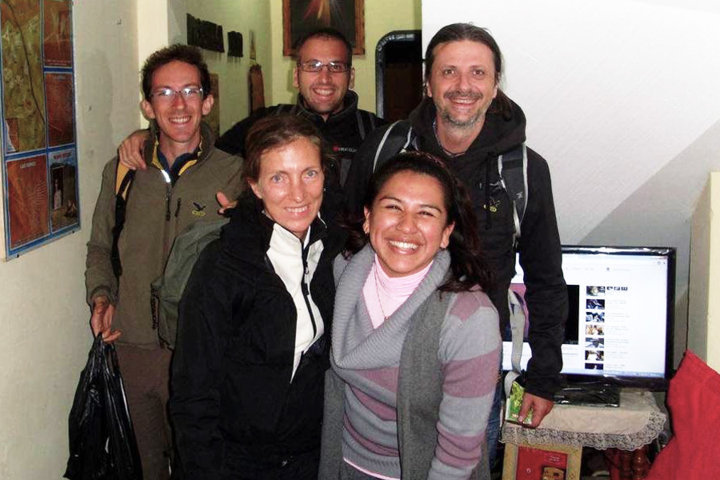
You don't need to feel lost in Peru's second-most populous city, which has a population of almost a million just let the friendly staff of our hostel in Arequipa make you feel at home and introduce you to the wonders of the White City! While you're here, be sure to take some time to admire the ornate facades of volcanic white sillar colonial era monuments in the historical center, which was named a UNESCO World Heritage Site in 2000, and the Inca terraces of the countryside. Arequipa is a city surrounded by volcanoes, gorges, dunes, fertile valleys, desert and snow-capped peaks, so you'll have more than enough natural beauty to explore. Tackle the symbol of the Arequipa people and culture, El Misti Volcano, for a humbling look into its crater, or grab an ice pick and scale snowy Chacani. From Arequipa it's a quick trip to the world's deepest canyon, Cotahuasi, or Colca Canyon, home to the world's largest bird of flight, the endangered Andean Condor. After your treks, relax in the serene Santa Catalina Cloistered Convent or ride horses in pastoral Sabandia alongside its stately mill and picturesque waterfall.
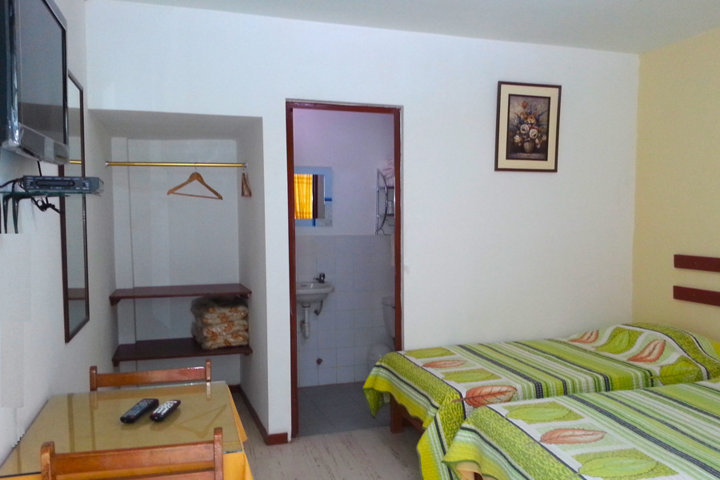
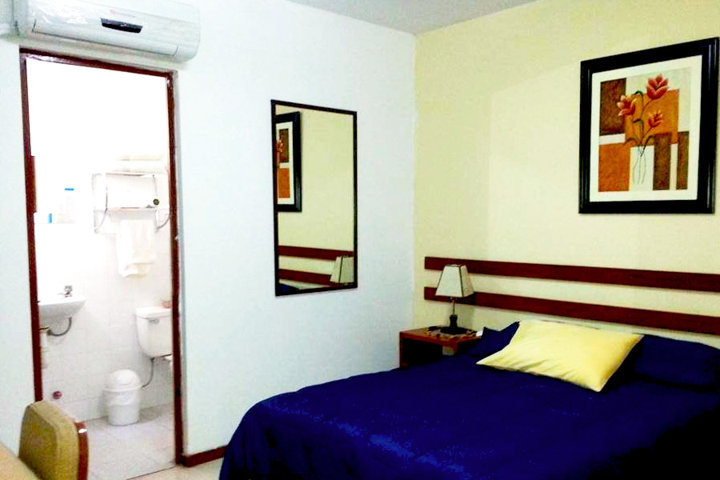
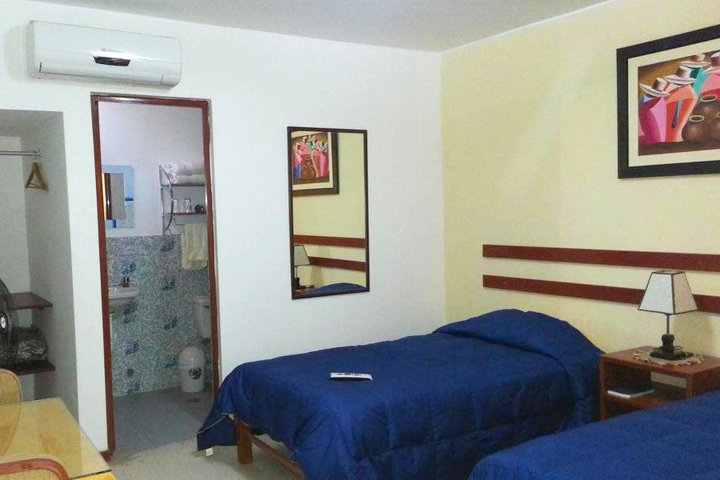
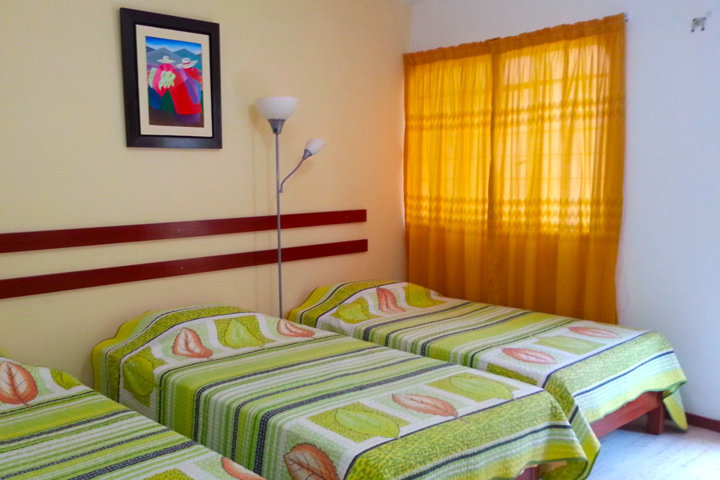
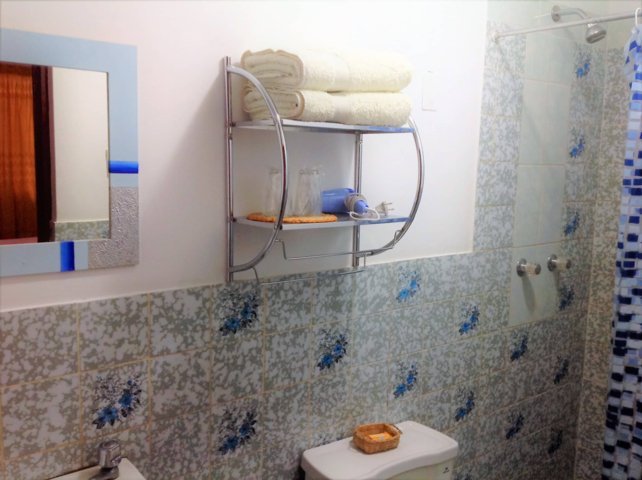
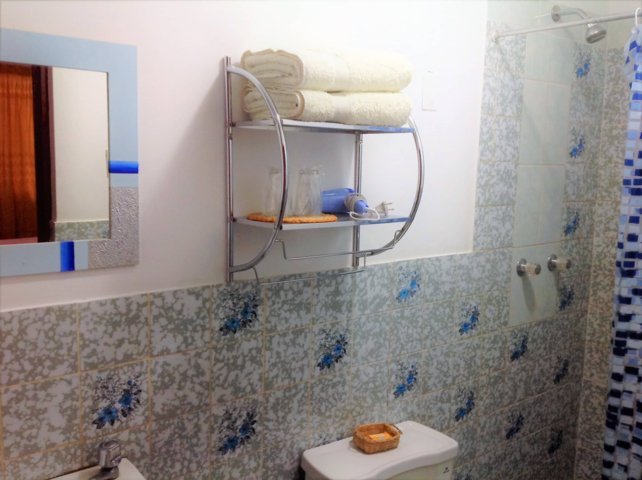
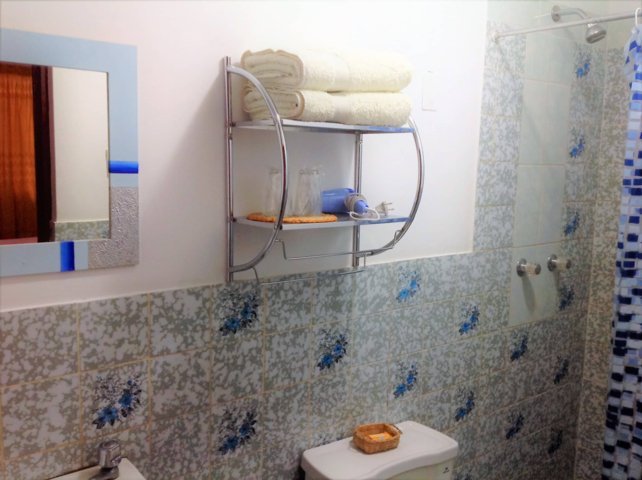
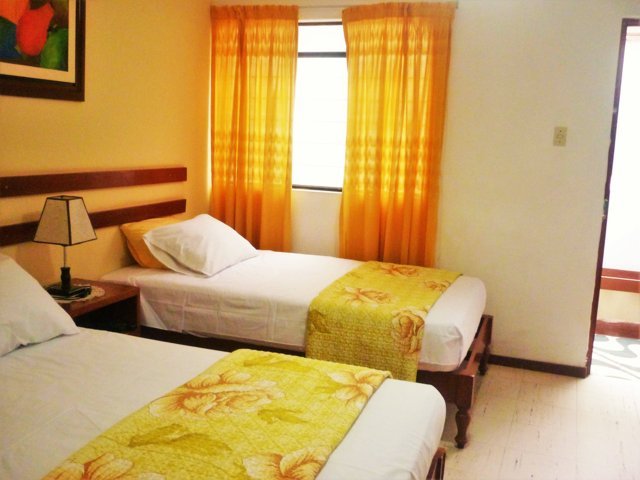
After your adventures Pirwa Park Hostel in Arequipa will be there to provide comfortable and cheap accommodations with excellent service. Enjoy Arequipa's constant sunshine relaxing on our rooftop terrace in view of imposing El Misti Volcano. At the end of an exciting day, you'll be happy to be retiring to a hot shower and a comfortable bed in one of our hostels in Arequipa, in the shadow of El Misti!
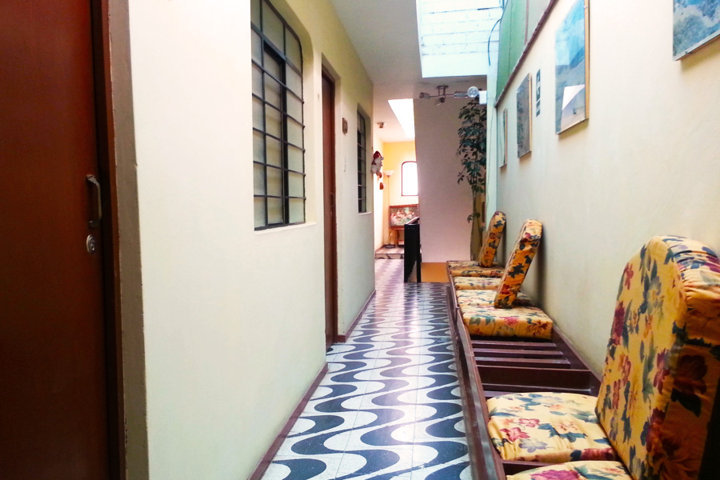
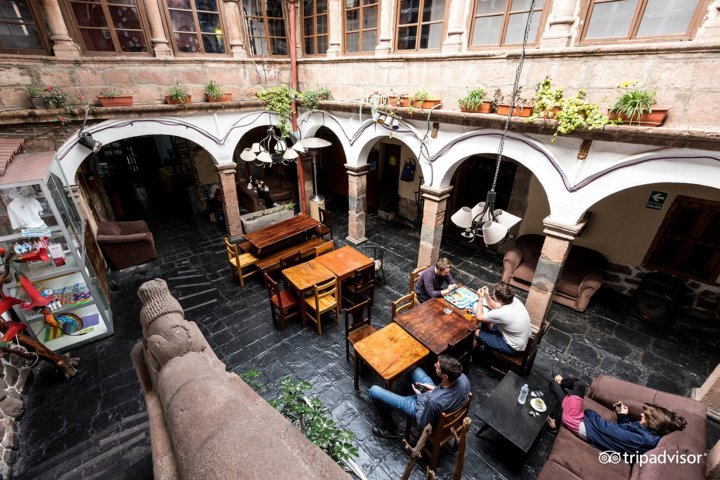
After your adventures Pirwa Hostel or B&B will be there to provide cheap budget accommodation with great service and value. Enjoy Arequipa's warm dry climate relaxing in a hammock in one of our courtyards or engaging with other guests in one of the lounges. At the end of an exciting day, you'll be happy to be retiring to a hot shower and a comfortable bed in one of our hostels in Arequipa, in the shadow of El Misti!

Santa Catalina was built in 1580 and housed about 450 people in strict cloister-1/3 were high-class nuns who lived lavishly in the vivid orange and blue Moorish-style buildings, the rest were their servants and slaves. In 1871 Pope Pius IX sent a strict Dominican nun to reform Santa Catalina, sending away its riches and servants in favor of more plain living. The complex's bright colors, soft murals and potted flowers lining covered narrow cobblestone streets give it a captivating beauty.

At the Toro Muerto site 2 1/2 hours out of Lima you'll see a group of cave and stone carvings spread out over a 5km2 area of the Majes Valley. These petroglyphs representing humans, plants, animals, birds, reptiles and geometric designs were formed by striking, scratching, chipping and hammering the stones. There are about 6,000 volcanic blocks carved in low relief. Although they're difficult to date, they might go back as far as 1100 AD and are said to be the world´s largest petroglyph field.

The Majes River Valley is an attractive fertile oasis of straw and adobe homes, rice paddies, vineyards, and orchards tucked away in the middle of the coastal desert between the Pacific Ocean and Andean foothills. The area is well-known for its freshwater shrimp, Piscos, dinosaur tracks, and a reputation for witchcraft localized in village of Huancarqui; here people accept food and drink with the left hand to avoid curses, and the love-sick flock to ask for spells and curses.

In Arequipa's Historical Center you can't help but notice the distinctive red tower of the Recoleta Franciscan Monastery. It was founded in 1648 but didn't open its doors to the public until more than 300 years later. Various reconstructions resulted in buildings flaunting styles spanning from the Romanesque to neo Gothic. It houses collections from the Archeological & Anthropological Museum, Natural Museum, and Religious Arts Museum; its library holds more than 20,000 rare volumes and scrolls.